Introduction
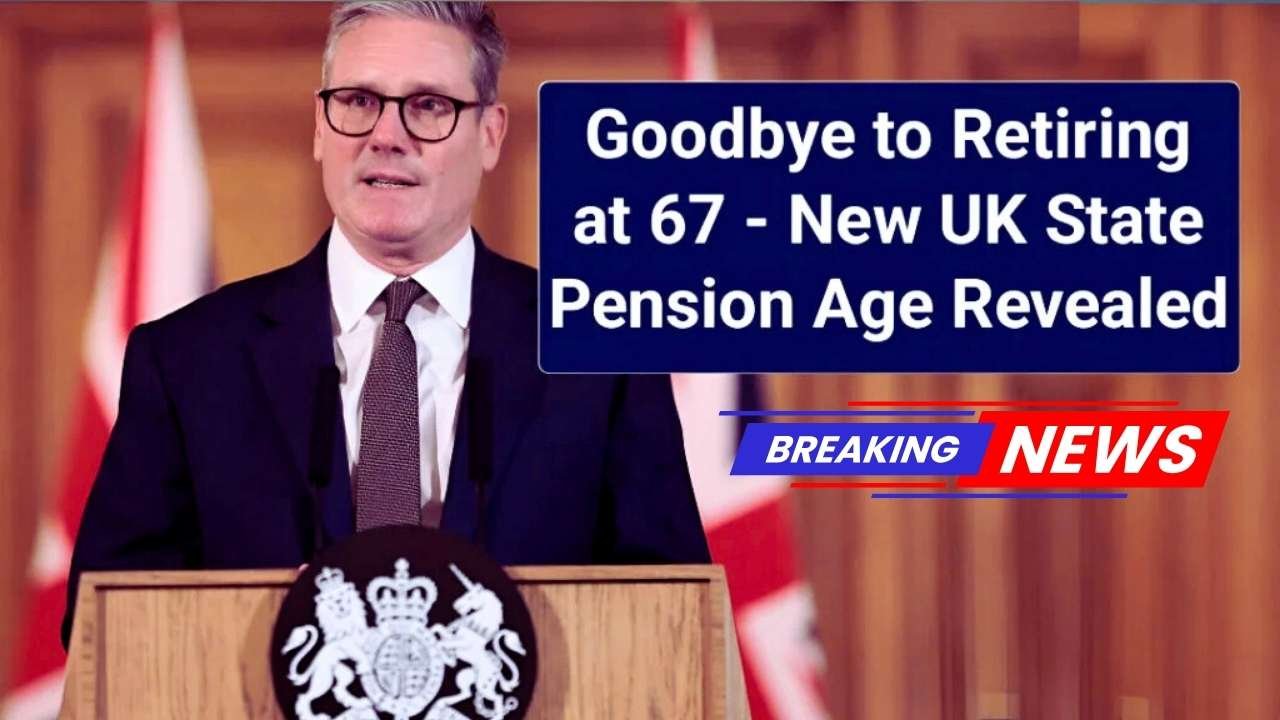
The dream of retiring at 67 is officially over for many UK workers, as the government has unveiled bold changes to the State Pension Age (SPA) in a move that’s shaking up retirement plans nationwide. Announced in late October 2025, this reform accelerates the rise to age 68, shifting it from the original 2044-2046 timeline to as early as 2037-2039, depending on ongoing reviews. While the immediate hike to 67 from 66 remains on track for 2026-2028, the jump to 68 signals a new era where longer working lives become the norm to sustain the £120 billion-plus pension system amid soaring life expectancies now topping 81 years.
This isn’t just policy jargon it’s a wake-up call for anyone in their 40s or younger, potentially delaying access to that hard-earned £11,500+ annual payout by a full year or more. Backed by the latest Office for National Statistics (ONS) data showing slower-than-expected longevity gains, the changes aim for fairness across generations but have ignited fury over health strains and inequality. In this guide, we’ll unpack the timeline, who’s hit hardest, and actionable steps to safeguard your future. Knowledge is power let’s dive in before it’s too late.
Current State Pension Age Rules
Right now, the SPA sits at 66 for everyone, a hard-won equalisation after decades of women retiring earlier at 60. This setup, locked in since 2020, lets you claim the full New State Pension £221.20 weekly or £11,502 yearly in 2025 once you hit that milestone, provided you’ve clocked at least 35 qualifying National Insurance (NI) years.
Eligibility hinges on your NI record: 10 years gets you something, but 35 unlocks the max. Credits count too, for carers, the unemployed, or those on statutory sick pay. You can defer claiming for bonuses (up to 10.25% extra per year), or go private earlier via workplace schemes. Tax applies above the £12,570 allowance, but most pensioners stay under. The triple lock rising by the highest of inflation, earnings, or 2.5% has boosted it 10.1% this year alone, outpacing costs. Yet, with 12 million claimants, the system’s creaking under demographic weight, prompting these tweaks.
The 2025 Announcement Explained
In a bombshell DWP statement on 28 October 2025, the government confirmed the SPA will leap to 68 sooner than planned, ditching the fixed 67 cap for a dynamic model tied to birth year and life expectancy. This builds on the Pensions Act 2014 but accelerates the 68 rise by up to seven years, eyeing fiscal savings of £15 billion annually by 2040.
Why? ONS projections show pensioners ballooning to 17 million by 2042, straining budgets as worker-to-retiree ratios dip below 3:1. The review, led by Dr Suzy Morrissey, stresses a “31% adult life in retirement” benchmark currently at 35% but set to hit 40% without changes. No U-turn on 67; that’s phased in from May 2026. But for 68, expect legislation by 2027 post-consultation, with 10 years’ notice promised. Critics slam it as “ageism by stealth,” but ministers tout it as “intergenerational equity.”
Timeline of Changes
The rollout is staggered to avoid shocks, starting with the 67 phase and ramping to 68.
- To 67 (2026-2028): Kicks off 6 May 2026 for those born 6 April 1960 (66 years, 1 month). Full 67 by 6 March 1968 births. Affects 5.5 million.
- To 68 (2037-2039 Proposed): Phased from April 2037 for post-1970 births, completing by 2039. Could slip to 2041 if reviews soften.
- Beyond 68: Every five years, reassessed 69 possible by 2050s if trends hold.
Use GOV.UK’s SPA calculator for your exact date; it’s updated quarterly.
Who’s Affected?
This hits hardest those mid-career, widening gaps for manual workers and women with broken records.
Key Impact Groups
- Born 1960-1977: 67 phase delays claims by months to a year; 3 million face £11,500 lost income.
- Born post-1977 (Under 48s): Full 68 brunt mid-40s now wait extra year, affecting 4 million by 2040.
- Vulnerable Workers: Manual jobs (construction, care) see 20% health exits pre-67; women lose £30,000 on average from childcare gaps.
Exempt? Pre-1960 births stay at 66. Overseas expats follow UK rules via reciprocal deals.
Reasons Behind the Rise
Sustainability drives it: Pensions gobble 5.5% of GDP, projected to 8% by 2050 without reform. Life expectancy flatlined post-COVID (81.4 years average), but fewer babies mean shrinking tax bases. The 2025 review cites £10.5 billion savings from 67 alone, scaling to £25 billion with 68. It nudges longer careers mid-60s employment’s up 12% while freeing funds for NHS waits. Yet, unions like TUC warn of 100,000 annual deaths pre-pension, hitting low earners hardest.
Eligibility and NI Contributions
Rules stay firm: 35 NI years for full £221.20/week. Voluntary top-ups (£17.45/week for gaps) deadline’s 5 April 2026 act fast via HMRC. Carer credits auto-apply; self-employed Class 2 counts if over £6,725 yearly. Inherited state pensions (pre-2016 spouses) add £50-£100 weekly. Check your forecast free on GOV.UK 1 in 5 have gaps worth £3,000/year shortfalls.
What to Do Now
Don’t panic proactive steps secure your pot.
Preparation Steps
- Forecast Check: GOV.UK login reveals shortfalls; buy missing years online.
- Boost Savings: Max workplace pensions (tax relief doubles £80 to £100); ISAs for tax-free growth.
- Health/Job Plan: Mid-life MOT via NHS; upskill for flexible roles government’s £1,000 retraining grants from 2026.
Free Pension Wise sessions bookable now; aim for 8x salary saved by 67.
Tax and Financial Impacts
The SPA delay means bridging income tax on private pensions from 55, but state from 68. Triple lock holds till 2030, projecting £250/week by 2030. Delayers lose £12,000/year initially, but deferral bonuses help. Means-testing? No, but Pension Credit (£226.90/week single) tops low earners. Model via MoneyHelper tools add £200/month saving now for £50,000 buffer.
Support and Resources
DWP helpline (0800 731 0175) offers free forecasts; Age UK runs £0 advice clinics. Jobcentre’s over-50s scheme targets 80% employment. For carers, backdate credits easily. Community transport expands 2026 for non-drivers.
Expert Opinions
Economists like AJ Bell’s Rachel Vahey call it “pragmatic but painful,” urging private pots: “State covers basics don’t bet the farm.” TUC’s Paul Nowak blasts: “Punishes the poorest; needs health exemptions.” Age UK’s Caroline Abrahams pushes: “Target support, not blanket hikes.” X buzz echoes frustration posts decry “death before pension” for 92,000 annual pre-claim deaths.
Conclusion
Saying goodbye to retiring at 67 isn’t just a policy pivot it’s a stark reminder that UK’s pension landscape is evolving faster than ever, with the 68 rise reshaping retirements for millions. While fiscal pressures demand change, the human cost delayed dreams, health tolls demands compassion too. Born post-1977? Start saving aggressively; everyone else, plug NI gaps yesterday. Tools like GOV.UK empower you use them to turn uncertainty into strategy. A secure later life starts today; consult DWP or an advisor now and drive your own timeline.