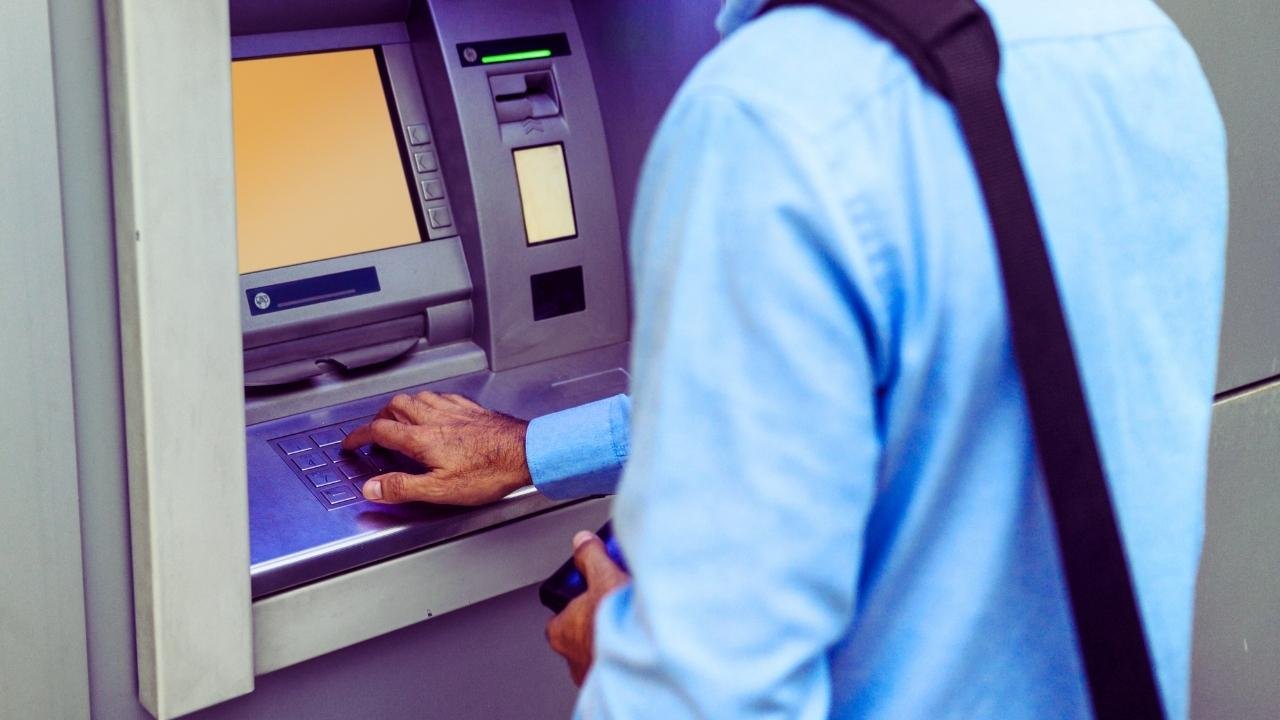
As November 1, 2025, draws near, whispers of a nationwide cap on cash withdrawals are rippling through UK households. Social media is ablaze with claims of a strict £500 daily limit hitting everyone from pensioners to small business owners, sparking fears of a cashless clampdown. But is this the end of easy access to your own money? Banks have stayed remarkably quiet, leaving customers in the dark about the real story. This guide uncovers the truth behind the headlines, drawing on FCA guidelines and bank policies that often fly under the radar. We’ll break down the rules, who they hit hardest, and clever ways to sidestep surprises. If you rely on cash for bills, markets, or emergencies, read on – your wallet depends on it.
The Real Deal on the New Rule
The so-called “new rule” isn’t a blanket ban but a standardised set of limits rolling out from November 1, 2025, under FCA oversight to boost security and cut fraud. High street banks like Barclays, HSBC, Lloyds, and NatWest are aligning policies, capping daily ATM withdrawals at £300–£500 for most standard accounts. In-branch pulls face tighter scrutiny for anything over £1,000, often needing 24-hour notice.
This stems from the Payment Services Regulations 2017 updates and 2025’s anti-money laundering tweaks, not a sudden government edict. Banks won’t advertise it loudly because it nudges you towards apps and cards, saving them on cash handling costs. But for the 13 million Brits still using cash weekly, it’s a wake-up call. Ignore it, and you could face declined transactions or awkward branch queues.
Why Banks Keep It Quiet
Transparency? Not their strong suit. These limits have crept in gradually since early 2025 pilots, but full enforcement kicks in November to coincide with winter spending spikes. Banks frame it as “enhanced protection,” yet fine print reveals profit motives: digital shifts mean fewer branches and lower overheads. Pensioners and rural folk, who make up 40% of cash users, get the short end – limits hit harder where ATMs are scarce.
Experts like Martin Lewis warn it’s part of a broader cash access review, but banks dodge details to avoid backlash. Result? Customers scrambling last-minute. Pro tip: Check your app’s terms now – many slipped these changes into August updates without fanfare.
Standard Limits Breakdown
Daily caps vary by bank and account, but here’s the November baseline for everyday users. These apply across ATMs, branches, and even Post Office services unless specified.
- ATM Withdrawals: £300–£500 max per day. Barclays sticks to £400; Santander edges up to £500 for loyalty perks.
- In-Branch Cash: Up to £2,000 without notice, but over that? Expect ID checks and a quick call. NatWest caps at £1,500 for non-premium holders.
- Weekly Aggregate: Often £1,500–£3,000 combined, resetting Mondays. Exceed it? Your card freezes until review.
- Contactless Tie-In: New twist – if you tap over £100 daily, it counts towards your cash quota, blurring lines between card and notes.
These aren’t ironclad; joint accounts split limits 50/50 by default, but you can tweak via app. For businesses, it’s £5,000+ with proof of trade.
How It Hits Pensioners Hardest
Over-65s, who withdraw £20 billion in cash yearly, face the sting. From November, many banks slash ATM limits to £250–£400 for “vulnerability protection,” claiming it curbs scams. But it ignores rural branch closures – 1,500 gone since 2020.
In-branch? £1,000 ceiling without 48-hour warning, plus questions on “intended use” to flag elder abuse. DWP ties in by auto-flagging state pension pulls over £800. It’s well-meaning, but without fanfare, it leaves grannies queuing or turning to pricey delivery services.
Business Owners: Hidden Traps
Small firms handling cash – think markets, taxis, pubs – get squeezed too. The £3,000 daily cap sounds generous, but aggregate rules across personal/business pots trip you up. Withdraw £2,500 for stock? It dings your personal limit next day.
FCA mandates “source of funds” checks for £10,000+ weekly, delaying payments. What banks skip: Flexible add-ons like “cash flow boosters” for verified traders, bumping limits to £7,500. Register now via your manager to avoid stock shortages mid-peak season.
Ways to Boost Your Limits
Don’t let caps cramp your style. Banks bury these workarounds, but they’re legal and simple.
- Upgrade Accounts: Switch to premium (often £5/month) for £800–£1,000 ATM access. Lloyds’ Premier jumps you to £750 instantly.
- Temporary Hikes: App-request 2x limits for 24 hours – free, but approve in advance for events like car buys.
- Split Withdrawals: Use family accounts or Post Offices (up to £1,000 fee-free via most banks). Time them across days to dodge aggregates.
- Digital Alternatives: Link to Monzo pots for “virtual cash” transfers, or NS&I for fee-free high-street pulls.
A quick call to your branch unlocks 80% of these – far easier than fighting declines.
Spotting and Dodging Scams
With buzz building, fraudsters pounce. Fake “limit alerts” texts demand app logins or £50 “verification fees.” Real banks never ask via SMS. November sees a spike in ATM skimmers too, preying on frustrated users.
Protect yourself: Enable app notifications for true limits, use contactless for small stuff, and report oddities to Action Fraud. Remember, no legit rule blocks your full balance – just paces it.
What Happens If You Hit the Cap?
Breach it? Your card pings “declined” mid-shop, with a 24-hour cool-off. Repeated hits flag reviews, potentially freezing accounts for “suspicious activity.” Appeals take days; meanwhile, overdrafts rack fees.
For big needs like holidays, plan: Book branch slots online. It’s disruptive, but banks offer “hardship waivers” for essentials – claim via complaints line if denied.
Conclusion
The November 1, 2025, cash withdrawal limits aren’t a draconian takeover but a nudge towards digital while safeguarding against fraud – yet banks’ silence leaves too many exposed. From £300 ATM caps to notice for £1,000+ branches, it’s pensioners and cash-reliant businesses feeling the pinch most. The untold bit? Easy upgrades and splits keep your flow steady without fees. Review your setup today, chat your branch, and blend cash with cards for resilience. In a shifting economy, knowledge is your best buffer – stay savvy, and these rules won’t rule you.